
Running a small business in 2026 requires more than simply keeping the doors open and responding to daily demands. The competitive landscape continues to evolve, shaped by advances in technology, rising customer expectations, and tighter margins across many industries. Owners who focus only on short-term survival often miss opportunities to strengthen their operations and position their businesses for long-term growth.
Optimization today is not about radical overhauls or chasing every new trend. Instead, it involves making targeted improvements across operations, infrastructure, marketing, and financial management. Small adjustments, when aligned with clear goals, can significantly improve efficiency, profitability, and resilience.
Another defining factor for 2026 is the increasing importance of local partnerships and services. Customers value businesses that are visibly invested in their communities, while local vendors often provide more responsive and customized support. Leveraging these relationships can create operational advantages that national providers cannot match.
Technology also continues to play a central role, even for traditionally brick-and-mortar businesses. From payment processing to cybersecurity, modern systems are no longer optional. Businesses that fail to modernize risk inefficiencies, security vulnerabilities, and customer frustration.
Physical spaces still matter as well. Location, layout, and maintenance all influence employee productivity and customer perception. An outdated or poorly maintained space can undermine even the strongest brand and service offering.
Marketing in 2026 is equally nuanced. While digital channels remain dominant, offline visibility and community presence are regaining importance. Effective marketing strategies blend both, ensuring businesses are seen, remembered, and trusted.
Financial discipline ties all of these elements together. Optimizing cash flow, managing risk, and planning for growth are essential to sustaining improvements across other areas. Without sound financial planning, even well-executed initiatives can stall.
This article outlines ten practical ways to optimize your small business in 2026. Each section focuses on a specific area where strategic attention can produce measurable results, helping you operate more efficiently while building a stronger foundation for the future. Read on to learn more about how to streamline your operations.
Maintaining Your Credit Card Processing System
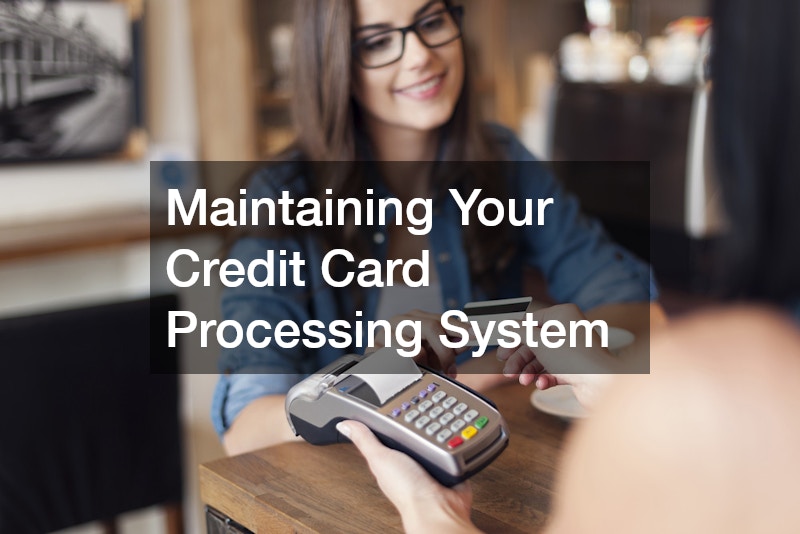
Payment systems are often overlooked until they become a problem, yet they play a critical role in customer experience and cash flow. In 2026, customers expect fast, secure, and flexible payment options, whether they are paying in person or remotely. An outdated or unreliable system can lead to lost sales and diminished trust.
Working with a local credit card processing service can offer distinct advantages over national providers. Local providers often deliver faster support, customized solutions, and clearer communication when issues arise. This responsiveness can be especially valuable during peak sales periods or system outages.
Regularly reviewing processing fees and contract terms is another key optimization step. Many small businesses pay more than necessary due to legacy agreements or hidden charges. A periodic audit can uncover savings that directly improve margins.
Security is also paramount. Ensuring your payment system complies with current data protection standards helps safeguard customer information and reduces liability. Investing in a well-maintained processing system is a foundational step toward smoother operations.
Partnering With Nonprofits
Community engagement is increasingly tied to brand reputation and customer loyalty. Partnering with local nonprofits allows small businesses to contribute meaningfully while also gaining visibility and goodwill. These relationships are most effective when they are strategic rather than purely transactional.
One practical approach is supporting or hosting profitable fundraisers that align with your brand values. These events can drive foot traffic, attract new customers, and generate positive media attention. When executed well, they benefit both the nonprofit and the business.
Nonprofit partnerships also open the door to collaborative marketing opportunities. Shared promotions, social media exposure, and co-branded events can extend your reach without significantly increasing costs.
Beyond marketing, these partnerships can improve employee morale. Staff members often feel more engaged when their workplace supports causes they care about, which can positively affect retention and productivity.
Revamping Your IT Solutions

Technology infrastructure is no longer just a concern for large organizations. Small businesses increasingly rely on digital systems for communication, data storage, and customer management. Outdated IT setups can slow operations and expose businesses to significant risks.
Engaging reputable IT security companies is a proactive way to protect your systems. Cyber threats continue to grow in sophistication, and small businesses are frequent targets due to weaker defenses. Professional security assessments can identify vulnerabilities before they are exploited.
Beyond security, modern IT solutions can improve efficiency. Cloud-based platforms, automated backups, and integrated software systems reduce downtime and streamline workflows. These improvements free up time that can be redirected toward growth-focused activities.
Regular reviews of your IT environment ensure that systems remain aligned with your business needs. Technology should support your goals, not complicate them.
Focusing on Marketing
Marketing remains one of the most powerful levers for small business growth, but effectiveness depends on relevance and consistency. In 2026, customers encounter countless digital messages daily, making it essential to stand out in meaningful ways.
Local visibility continues to matter, especially for service-based and retail businesses. Working with a local sign manufacturer can enhance your physical presence and reinforce brand recognition within your community. Well-designed signage often delivers long-term value at a relatively low cost.
Marketing optimization also involves refining your messaging. Clear value propositions, consistent branding, and targeted campaigns resonate more effectively than broad, generic efforts. Data-driven insights can help identify which channels deliver the strongest return.
Balancing digital marketing with offline strategies creates a cohesive brand experience. When customers encounter consistent messaging across platforms and locations, trust and familiarity increase.
Considering a Move to a Better Location
Location can significantly influence foot traffic, accessibility, and operational efficiency. As markets shift and neighborhoods evolve, a once-ideal location may no longer support your growth objectives. Periodically reassessing your physical footprint is a smart optimization step.
Relocating does not have to be disruptive if planned carefully. Partnering with experienced commercial movers can reduce downtime and protect valuable equipment and inventory. Their expertise helps ensure a smooth transition.
A new location may offer better visibility, lower overhead, or closer proximity to your target customers. These factors can directly impact revenue and brand perception.
Before making a move, conduct a thorough cost-benefit analysis. The goal is to align your location with your long-term strategy, not just short-term convenience.
Remodeling Your Space

Even without relocating, improving your existing space can yield significant benefits. An outdated layout or worn finishes can negatively affect both customer experience and employee morale. Remodeling allows you to refresh your environment and optimize functionality.
Working with professional commercial remodeling services ensures that updates comply with regulations and are completed efficiently. These providers understand how to balance aesthetics with practicality in a business setting.
Strategic improvements might include better lighting, improved traffic flow, or updated customer-facing areas. Even modest changes can make a space feel more modern and welcoming.
A well-designed space supports productivity and reinforces your brand identity. Remodeling should be viewed as an investment in both operations and perception.
Maintaining Your Roof and Other Structural Systems
Structural maintenance is often reactive rather than proactive, which can lead to costly repairs and unexpected disruptions. Regular inspections and preventative care are essential for protecting your physical assets.
Engaging a reliable commercial roofing service helps identify issues before they escalate. Roof damage can compromise safety, energy efficiency, and interior spaces, making early intervention critical.
Beyond roofing, HVAC, plumbing, and electrical systems also require ongoing attention. Coordinated maintenance schedules reduce the likelihood of emergency repairs and extend system lifespans.
Proactive maintenance supports business continuity. It also demonstrates professionalism and care to customers and employees alike.
Maintaining a Clean Workspace
Cleanliness directly affects health, productivity, and customer perception. In 2026, expectations around cleanliness remain high, particularly in shared or customer-facing environments.
Partnering with professional commercial carpet cleaning companies ensures deep cleaning that standard janitorial services may not provide. Regular professional care extends the life of flooring and maintains a polished appearance.
A clean workspace also contributes to employee well-being. Reduced allergens, improved air quality, and a more pleasant environment can positively influence morale and performance.
Establishing consistent cleaning standards is a simple yet impactful optimization strategy. It reinforces your commitment to quality and professionalism.
Focusing on the Finances

Financial clarity underpins every other optimization effort. Without accurate data and clear goals, it is difficult to measure progress or make informed decisions. Small businesses benefit greatly from disciplined financial oversight.
Effective financial planning involves budgeting, forecasting, and scenario analysis. These practices help anticipate challenges and identify opportunities for reinvestment or cost reduction.
Working with financial professionals or leveraging modern accounting tools can provide valuable insights. Understanding cash flow patterns and expense drivers enables proactive management.
Strong financial foundations support sustainable growth. They allow businesses to invest confidently in improvements across operations, marketing, and infrastructure.
Planning Events
Events remain a powerful way to engage customers, partners, and the broader community. Whether promotional, educational, or celebratory, well-executed events create memorable experiences that strengthen relationships.
Utilizing professional event rentals simplifies logistics and enhances presentation. From seating to audiovisual equipment, these services help create polished, functional environments.
Events can also serve multiple objectives simultaneously, such as marketing, networking, and community engagement. When aligned with broader business goals, they deliver lasting value.
Careful planning and follow-up ensure that events contribute meaningfully to your optimization strategy rather than becoming isolated efforts.
Optimizing Your Small Business
Optimizing a small business in 2026 requires a holistic approach rather than isolated fixes. Each operational improvement strengthens the overall system, creating compounding benefits over time. The key is consistency and alignment with long-term goals.
Investments in infrastructure, whether digital or physical, support efficiency and resilience. From payment processing to IT security, modern systems reduce friction and risk while enabling scalability.
Community engagement and local partnerships enhance visibility and trust. Collaborations, events, and nonprofit involvement position businesses as active contributors rather than passive participants.
Marketing optimization ensures that your message reaches the right audience through the right channels. Balancing digital and offline strategies creates a cohesive brand presence.
Location and space management directly influence customer experience and employee productivity. Strategic moves, remodels, and maintenance protect these critical assets.
Cleanliness and upkeep reinforce professionalism and care. They signal attention to detail and respect for both staff and customers.
Financial discipline ties every initiative together. Sound financial planning provides the stability needed to pursue improvements with confidence.
Ultimately, optimizing your small business is an ongoing process. By focusing on these ten areas, you can build a more efficient, adaptable, and competitive operation that is well-positioned for success in 2026 and beyond.
Optimizing a small business is not a one-time initiative but a continuous commitment to improvement. Market conditions, customer expectations, and technology will continue to evolve beyond 2026, making adaptability one of the most valuable traits a business can cultivate. Owners who regularly evaluate their operations are better positioned to respond to change without disruption.
Each area discussed in this guide reinforces the others. Strong infrastructure supports better customer experiences, while thoughtful marketing amplifies the value of operational investments. When these elements work together, small efficiencies compound into measurable gains across the business.
Local partnerships play a particularly important role in sustainable optimization. From service providers to nonprofit collaborations, working with local experts strengthens community ties and often delivers faster, more tailored support. These relationships can become long-term assets rather than transactional expenses.
Physical spaces remain a reflection of your brand. Clean, well-maintained, and thoughtfully designed environments communicate professionalism and reliability before a single interaction occurs. Ongoing maintenance and strategic upgrades protect that impression while supporting employee performance.
Financial awareness ensures that optimization efforts remain grounded and scalable. Clear budgets, realistic forecasts, and disciplined spending allow businesses to invest with confidence rather than hesitation. Financial clarity turns improvement efforts into strategic decisions instead of risks.
Events, marketing initiatives, and community involvement further extend your reach beyond daily operations. When planned intentionally, these efforts deepen relationships and create memorable touchpoints that differentiate your business from competitors.
Ultimately, optimizing your small business is about building a stronger foundation for long-term success. By addressing operations, finances, space, and community engagement together, you create a business that is not only more efficient today but also more resilient and competitive for the years ahead.